

Think about your morning routine. Maybe it’s a smoothie, maybe a shake after the gym, or just a scoop of powder stirred into oatmeal. If you’re using hemp protein, you might have asked yourself: "Is this actually okay to drink every single day?" It’s a fair question. We are bombarded with new superfoods that promise miracles one week and disappear the next. But hemp has been around for thousands of years as a food source, not just a fiber crop. The short answer is yes, for most people, eating hemp protein daily is not only safe but can be a solid nutritional strategy. But there are nuances-digestive adjustments, calorie counts, and specific health conditions-that you need to know before making it a permanent fixture in your diet.
Why Hemp Protein Stands Out Among Plant Proteins
Let’s cut through the noise. Why choose hemp over whey or soy? Unlike many plant proteins that require heavy processing to isolate the protein, hemp protein is typically made by cold-pressing hemp seeds and grinding the remaining cake into a powder. This means you aren’t just getting isolated amino acids; you’re getting the whole seed profile minus the oil. That includes fiber, healthy fats, and minerals.
Hemp contains all nine essential amino acids, which makes it a complete protein. This is rare in the plant kingdom. Most plant sources, like rice or beans, are incomplete on their own. You usually have to combine them to get a full profile. With hemp, you don’t need to worry about pairing foods. However, it is worth noting that while it is complete, it is lower in lysine compared to animal proteins. If you are a strict vegan relying solely on hemp, you might want to rotate it with other legumes to ensure optimal muscle synthesis. But for general health maintenance? It’s fantastic.
The Nutritional Breakdown: What You’re Actually Consuming
To understand if daily use is sustainable, look at what goes into your body. A standard serving (about 30 grams) provides roughly 10-15 grams of protein. That’s less than whey, which often hits 24 grams per scoop, but it comes packed with other perks.
| Nutrient | Hemp Protein | Whey Protein |
|---|---|---|
| Protein | 10-15 g | 24 g |
| Fiber | 3-5 g | 0 g |
| Healthy Fats (Omega-3/6) | High | Negligible |
| Digestibility Score | Moderate-High | Very High |
| Allergens | None common | Dairy/Lactose |
See that fiber column? That’s huge. Most protein powders strip out fiber because it makes digestion harder for some athletes. In hemp, the fiber aids gut health. Daily intake supports regularity, which is something many high-protein diets neglect. Plus, the ratio of Omega-6 to Omega-3 fatty acids in hemp is nearly ideal (3:1), helping to reduce inflammation rather than promote it, which is a common issue with excessive omega-6 intake from processed vegetable oils.
Can Your Body Handle It Every Day?
Your digestive system is adaptable. If you suddenly switch from zero fiber to three scoops of hemp protein a day, you will likely experience gas or bloating. This isn’t toxicity; it’s adjustment. Start with half a scoop mixed into water or juice. Give your gut bacteria two weeks to adapt to the increased fiber load. Once they do, daily consumption becomes seamless.
There is also the matter of antinutrients. Raw hemp seeds contain phytic acid, which can bind to minerals like iron and zinc, reducing absorption. However, the process of making protein powder involves heat and mechanical pressing, which significantly reduces phytic acid levels. For the average person eating a varied diet, this effect is minimal. If you are anemic or have severe mineral deficiencies, talk to your doctor, but for the general population, daily hemp protein does not lead to nutrient depletion.
Who Should Be Cautious About Daily Use?
While safe for most, certain groups should pause. First, individuals taking blood thinners like warfarin. Hemp seeds have mild anticoagulant properties due to their gamma-linolenic acid content. Eating a handful of seeds occasionally is fine, but consuming concentrated powder daily could theoretically interact with medication. Consult your physician if you fall into this category.
Second, those with kidney disease. While plant proteins are generally easier on kidneys than red meat, any high-protein diet requires monitoring if renal function is compromised. Hemp is not uniquely dangerous here, but the principle applies to all protein supplements. Third, pregnant or breastfeeding women. Hemp is safe, but always prioritize whole food sources during these periods unless advised otherwise by a healthcare provider.
Practical Tips for Incorporating Hemp Protein Daily
If you decide to make this a habit, variety prevents boredom and ensures nutritional balance. Don’t just drink it plain. Here are three ways I integrate it into my own kitchen in Brno:
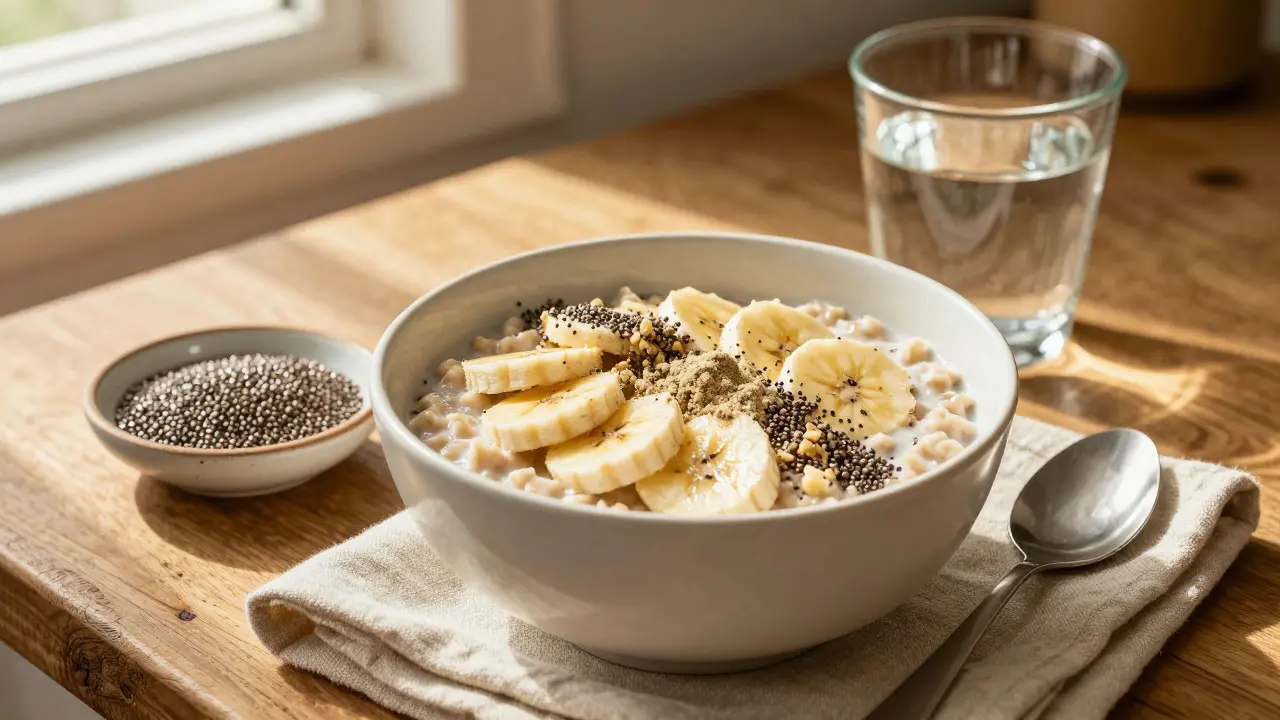
- The Green Machine: Blend one scoop of hemp protein with spinach, a banana, and almond milk. The earthy taste of hemp pairs surprisingly well with leafy greens.
- Baking Booster: Substitute up to 25% of wheat flour in muffins or pancakes with hemp protein powder. It adds moisture and nuttiness without altering the texture too drastically.
- Savory Sprinkle: Yes, really. Hemp protein has a nutty flavor similar to sesame. Sprinkle it over roasted vegetables or salads instead of parmesan for a protein kick.
Avoid mixing it with extremely hot liquids immediately, as high heat can denature some nutrients unnecessarily, though the protein structure itself remains intact. Warm (not boiling) water or milk works best for solubility.
Environmental and Ethical Bonus
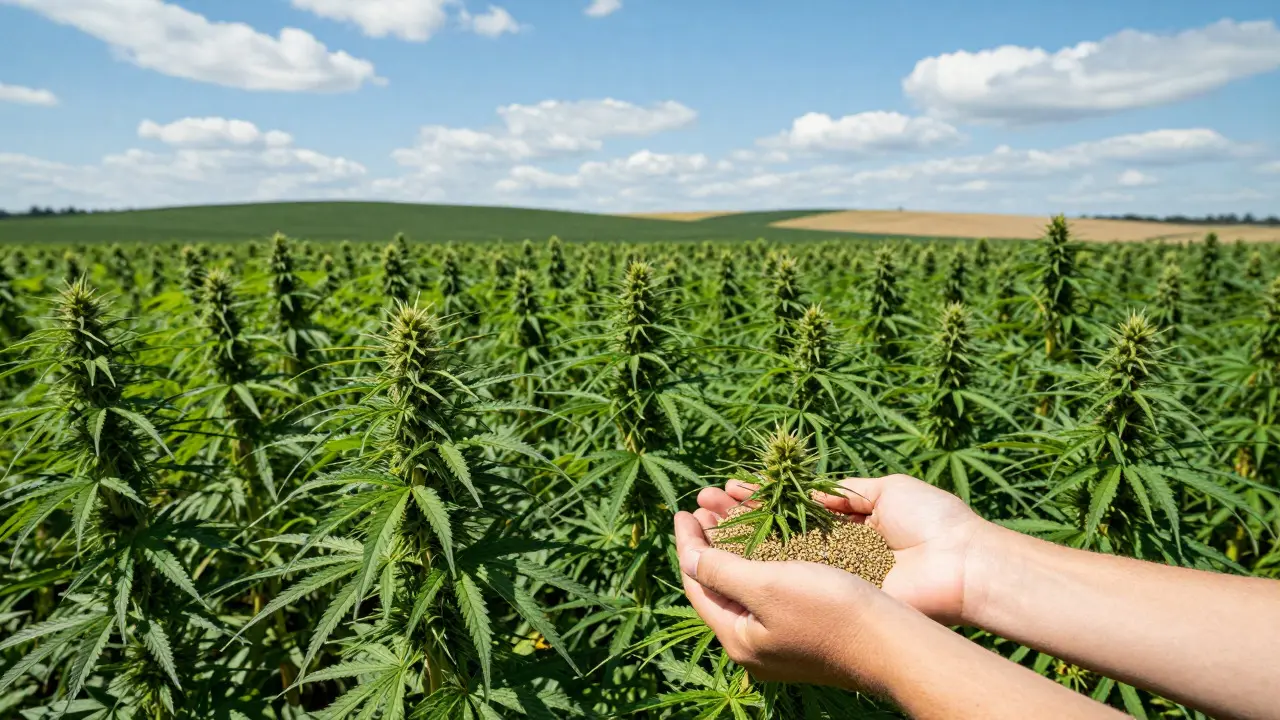
Choosing hemp daily isn’t just about your biceps; it’s about your footprint. Hemp requires significantly less water than almonds or dairy cows and grows densely enough to suppress weeds, meaning fewer herbicides are needed. By swapping one animal-based protein meal a day for hemp, you’re participating in a more sustainable food system. It’s a small daily choice with cumulative impact.
Frequently Asked Questions
Does hemp protein cause weight gain?
No, not inherently. Like any food, excess calories lead to weight gain. However, hemp protein is satiating due to its fiber and fat content, which often helps people eat less overall. It supports lean muscle mass, which boosts metabolism, potentially aiding weight management rather than hindering it.
Will hemp protein show up on a drug test?
It is highly unlikely. Industrial hemp contains less than 0.3% THC (the psychoactive compound). The extraction process for protein powder removes almost all traces of cannabinoids. Unless you consume massive quantities of low-quality products, false positives are rare. Always buy from reputable brands that provide third-party lab testing.
How much hemp protein should I take per day?
A common recommendation is 1-2 scoops (30-60 grams) per day, depending on your total dietary protein needs. Active individuals may need more. Listen to your body-if you feel bloated, scale back and increase gradually.
Is hemp protein better than pea protein?
They serve different purposes. Pea protein is higher in BCAAs (branched-chain amino acids), making it slightly better for immediate post-workout recovery. Hemp offers a broader spectrum of nutrients, including healthy fats and fiber. Many athletes blend both for synergistic effects.
Can children eat hemp protein?
Yes, hemp seeds and protein are nutritious for growing kids. They provide essential fatty acids crucial for brain development. Just ensure the product doesn’t contain added sugars or caffeine additives often found in adult-focused blends.
